Lab-Grown Diamonds in South Africa 2026: Bigger, Better, and Up to 90% More Affordable
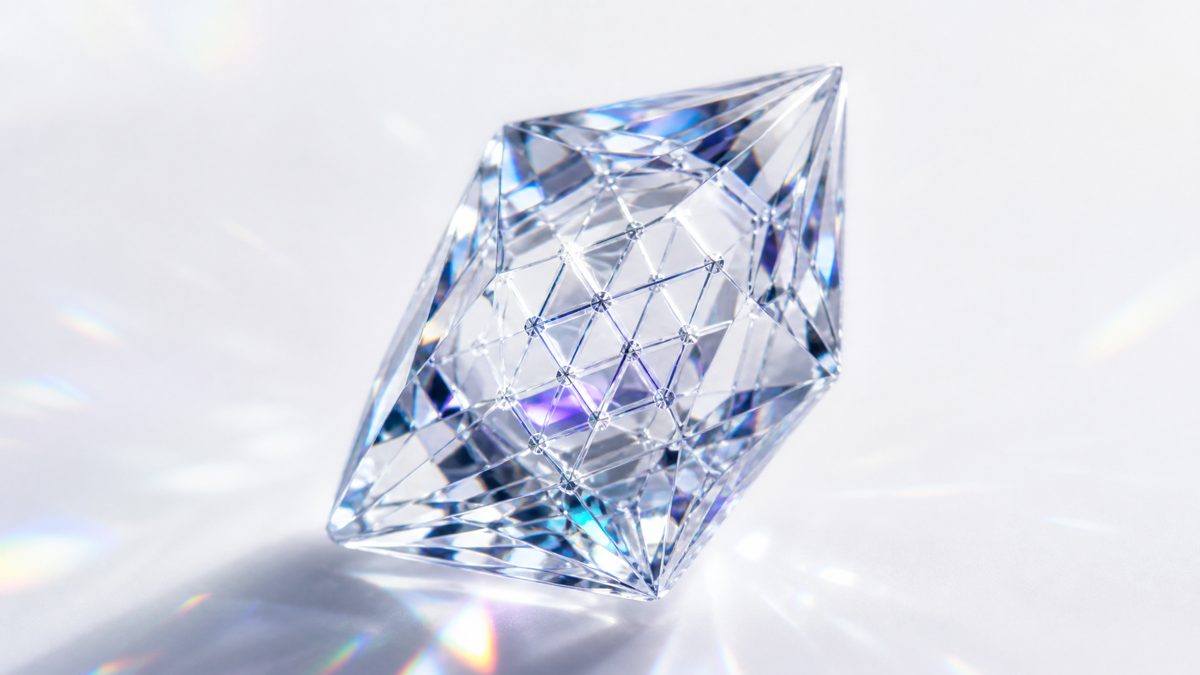
What Nobody in the Diamond Industry Wants to Admit About Lab-Grown
I've been in this business for 25 years. I sell natural diamonds, and I also sell lab-grown diamonds. So when I tell you what follows, it's not a sales pitch in either direction — it's the honest picture from someone who's watched this technology evolve from a novelty into the biggest thing that's happened to our industry in decades.
Lab-grown diamonds are real diamonds. They're significantly cheaper than natural. And they've changed what's possible for South African buyers on a budget.
Here's what you actually need to know.
What Is a Lab-Grown Diamond?
A lab-grown diamond is carbon — exactly like a natural diamond. Same crystal structure, same optical properties, same hardness. It's not a simulant. It's not moissanite or cubic zirconia. It's a real diamond that happens to have been grown in a lab rather than mined from the earth.
The two processes used are HPHT (high pressure, high temperature) and CVD (chemical vapour deposition). CVD has become dominant — it produces larger, cleaner stones more consistently and at lower cost. The result is graded by the same labs (GIA, IGI) using the same 4C criteria as natural diamonds.
Put two diamonds side by side — one natural, one lab-grown, identical 4C specs — and even I can't tell them apart without specialist equipment. That's not marketing. That's just the science.
Why Lab-Grown Diamonds Are Dominating South African Jewellery in 2026
The price difference. Full stop.
A 1.00ct G/VS2 Excellent cut lab-grown diamond costs roughly R18,000–R30,000 from us. The equivalent natural stone is R85,000–R120,000. That's not a small difference — it's life-changing for a buyer working with a real budget.
What that means in practice: someone with R50,000 to spend can get a stunning 1.50-2.00ct lab-grown diamond engagement ring that looks genuinely spectacular. The same R50,000 in natural diamonds would get you something significantly more modest.
For South African buyers — where budgets are real and the rand is always a consideration — that value proposition is hard to argue with.
Lab-Grown vs Natural: The Honest Trade-Offs
I won't pretend there are no differences. Here's the real picture:
Appearance: Identical to the naked eye. There's no visual trade-off here.
Price: Lab-grown wins by 40-75% for equivalent 4C specifications. This gap has been growing as production scales.
Value retention: This is where natural wins — significantly. Lab-grown resale prices have dropped sharply as supply increased. A lab-grown diamond bought today is unlikely to hold its purchase value the way a comparable natural stone would. If resale matters to you, natural is the answer.
Provenance: Natural diamonds formed over billions of years. That geological story is part of what you're paying for. If it matters — buy natural. If it doesn't — lab-grown gives you the same sparkle for less.
Understanding Lab-Grown Diamond Grading
Lab-grown diamonds are graded exactly like natural diamonds — Cut, Colour, Clarity, Carat. GIA and IGI both certify lab-grown stones, and I'd recommend sticking to one of these two labs when you buy.
The same advice applies: prioritise cut above all else. A well-cut lab-grown diamond is breathtaking. A poorly cut one — regardless of its colour or clarity grade — looks flat. Don't buy a lab-grown stone just because it's cheap if the cut grade isn't Excellent or Very Good.
Colour G-H and clarity VS1-VS2 remains the sweet spot for value — you'll get an eye-clean, beautiful stone without paying for grades that only matter under magnification.
What Lab-Grown Diamonds Cost in South Africa in 2026
Our factory-direct prices, without retail markup:
0.50ct G/VS2 Excellent (lab-grown): R8,000–R15,000
1.00ct G/VS2 Excellent (lab-grown) in setting: R20,000–R40,000
1.50ct G/VS2 Excellent (lab-grown): R30,000–R55,000
2.00ct G/VS2 Excellent (lab-grown): R45,000–R75,000
These prices have been falling and are likely to continue doing so as global production expands. That's good news for buyers today.
Who Should Buy Lab-Grown Diamonds?
After thousands of these conversations, here's my honest take:
Buy lab-grown if: maximum visual impact per rand is your goal, your budget is between R10,000 and R70,000, you don't intend to resell, and the geological story of the stone doesn't add meaning for you or your partner.
Buy natural if: you care about long-term value, provenance matters to you, you're making a significant investment in a heirloom piece, or your budget is R100,000+.
Neither choice is wrong. They're just different — and understanding the difference is what lets you make the right call.
Take a Look at What We Have
Browse our lab-grown diamond collection or compare with our natural diamonds.
Still not sure? WhatsApp me or call +27 82 551 2103. Tell me your budget and what you're looking for, and I'll give you a straight recommendation.
Have questions? Chat with David, our diamond specialist — he responds within minutes.
Chat with David on WhatsApp