Why Natural Diamonds Remain the Ultimate Symbol of Luxury in 2026
A Lot Has Changed in Diamonds — Some Things Haven't
Over the past five years, our industry has been through more disruption than the previous two decades combined. Lab-grown diamonds went from a novelty to a mainstream product. Prices shifted dramatically. Online buying became the norm. The way South Africans buy diamonds today looks very different from how they bought them when I started out.
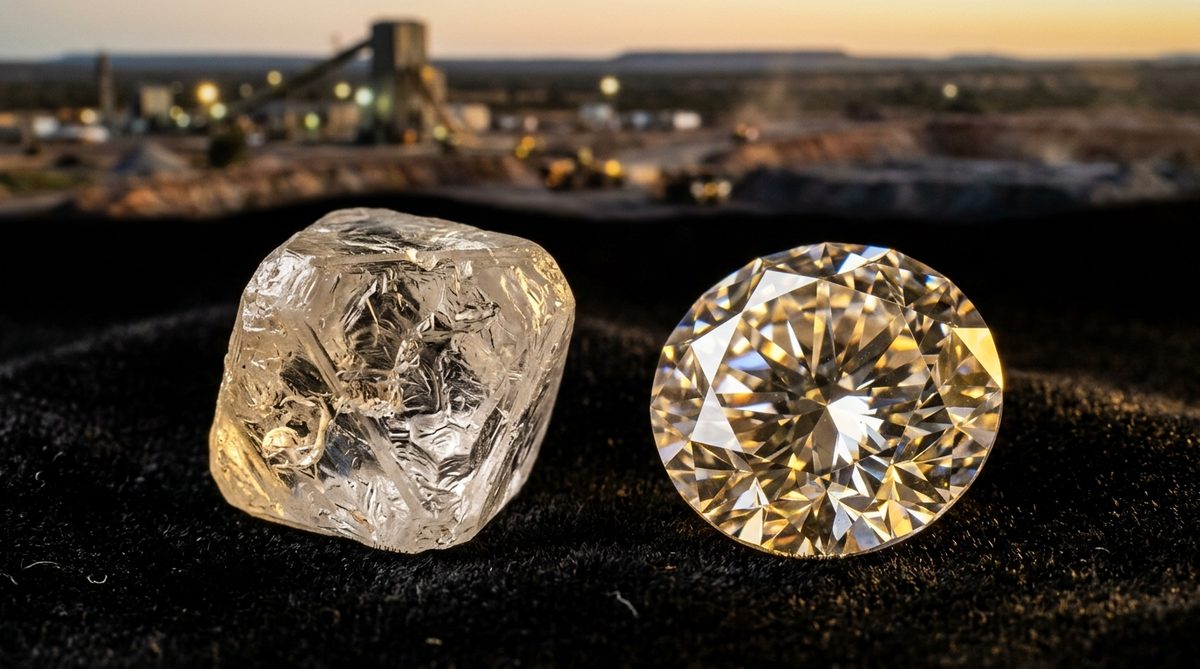
But here's what hasn't changed: the demand for natural diamonds hasn't gone away. If anything, I'd argue the contrast with lab-grown has made the appeal of natural stones more articulate — more people understand now exactly what they're choosing when they pay for something formed billions of years ago in the earth.
What Makes Natural Diamonds Genuinely Different?
I want to be honest here, because I also sell lab-grown and I have no stake in overstating the difference. But the truth is: natural diamonds are unique physical objects in a way that lab-grown stones cannot be.
Every natural diamond has inclusions, growth patterns, and characteristics that are completely its own. Two natural diamonds with identical 4C grades are still not identical — there are subtle differences visible under magnification that a gemologist would describe as that stone's "fingerprint". Lab-grown diamonds, grown in controlled conditions, don't have the same geological individuality.
Then there's the scarcity factor. The amount of gem-quality rough diamond that comes out of the ground each year is finite. There is no way to scale it up. Lab-grown supply, by contrast, is essentially unlimited and has been growing rapidly — which is why lab-grown prices have been dropping. Natural diamond prices have not followed that trend.
The 4Cs for Natural Diamonds — My Practical Guidance
After 25 years of grading and selling, here's how I actually advise customers on the 4Cs:
Cut first, always. The cut determines how light moves through the stone — how bright, how brilliant, how alive it looks. An Excellent or Very Good cut grade from GIA is the non-negotiable starting point. I've seen gorgeous D-colour, Flawless diamonds that looked lifeless because of poor cut. Don't let that happen.
Colour: G-H is the sweet spot. The difference between G and D is real under magnification, but in a ring on a finger, most people simply can't see it. Don't pay D-F premiums unless colour matters deeply to you or you're specifically buying a collector's stone.
Clarity: VS1-VS2. Eye-clean, certified, and without the enormous premium you'd pay for VVS or Flawless. Unless you're buying investment-grade stones, there's no practical reason to go higher.
Carat: be flexible. A 0.90ct well-cut natural diamond will outperform a 1.00ct average-cut stone visually — and cost meaningfully less. I'd always rather have a smaller stone with exceptional cut than a larger stone with mediocre proportions.
Why Certification Matters Now More Than Ever
With lab-grown diamonds in the market, certification has become even more important. GIA and IGI are the standards I trust — they use consistent, internationally recognised grading criteria and their certificates tell you exactly what you're buying.
Some dealers sell diamonds with certificates from lesser-known labs that grade more generously. A stone graded VS2 by a reputable lab might be graded VVS2 by a lenient one. That grade inflation translates directly to overpayment. Stick to GIA or IGI.
Natural Diamonds as a Store of Value
I'm careful not to oversell diamonds as a financial investment — they're jewellery first. But I can tell you what I've observed over 25 years in this market: well-graded natural diamonds at 0.50ct and above have generally held value. Top-quality stones at 1.00ct+ have appreciated in many cases, particularly as lab-grown alternatives have captured more of the entry-level market.
Lab-grown diamonds have not demonstrated the same value retention. Their resale prices have dropped significantly as production has scaled. For someone buying a significant piece of jewellery and wanting to know it will hold its value — natural is the more reliable choice.
The South African Market in 2026
South Africa has a unique relationship with diamonds that goes back to the 19th century. The Kimberley mines, the Cullinan, the heritage of diamond cutting in Johannesburg — it's woven into our national identity. That history gives natural diamonds an additional resonance for South African buyers that I don't see anywhere else.
I've also noticed that at the R100,000+ price point, virtually all our customers still choose natural. The prestige, the value retention, the provenance — when the budget is there to make a statement, natural is almost always what people choose.
Ready to Choose Your Natural Diamond?
Browse our certified natural diamond collection or explore bespoke design. If you'd rather talk it through first — that's what I'm here for.
WhatsApp David or call +27 82 551 2103. Twenty-five years in the business, and I still love this conversation.
Have questions? Chat with David, our diamond specialist — he responds within minutes.
Chat with David on WhatsApp