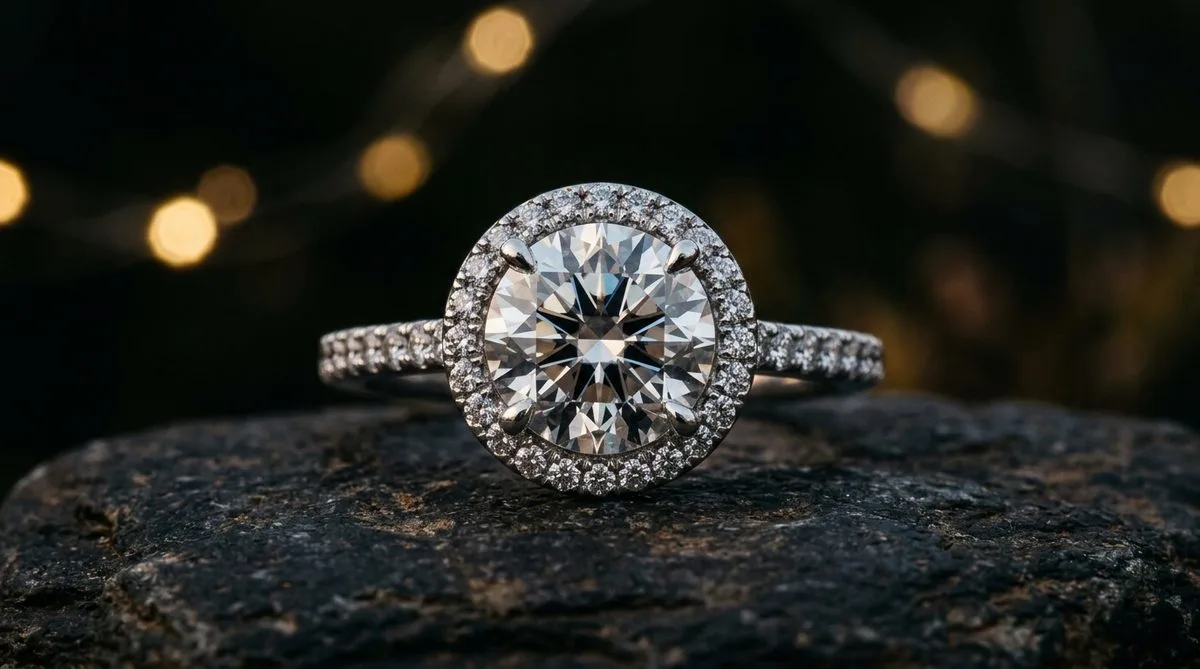
One question comes up in almost every engagement ring consultation I have: "Should we go with platinum or gold?" And increasingly, the follow-up is: "What's the actual difference between white gold and platinum? They look identical."
They don't look identical for long — and the differences matter for how your ring ages, what it costs, and how much maintenance it will need over the decades. I've been making engagement rings in South Africa for over 25 years. Here's the straight answer, without the retail spin.
Quick summary: Platinum is the premium, low-maintenance, long-term choice. White gold is popular and affordable but needs replating every 1–2 years. Yellow gold is classic and durable. Rose gold is trending and flattering. Your choice depends on budget, lifestyle, and look — and I can help you find the right fit.
Platinum — The Premium Choice
Platinum is the most valuable metal used in engagement rings, and for good reason. It's naturally white — not plated, not treated — which means it stays white forever. A platinum ring that belonged to your grandmother looks the same white tone it had when it was new.
Key facts about platinum for engagement rings:
- 95% pure — platinum rings are typically 950 platinum (95% platinum, 5% ruthenium or iridium alloy). Compare that to 18k gold which is only 75% gold.
- Hypoallergenic — platinum is one of the safest metals for sensitive skin. No nickel, no allergic reactions.
- Heavier than gold — a platinum ring feels noticeably heavier on the finger. Some people love this; it feels substantial. Others find it uncomfortable for all-day wear.
- Develops a patina — over time, platinum develops a soft, slightly matte surface called a patina. Many people love this lived-in look. If you prefer high shine, a jeweller can polish it back to bright — but the metal is never actually lost, just displaced.
- The most durable long-term — platinum doesn't wear away. When it scratches, the metal moves rather than disappears. After 20 years, a platinum ring still has all its original metal. Gold wears away slowly over the same period.
- Most expensive — platinum is denser and purer, so a platinum setting typically costs R3,000–R6,000 more than the equivalent 18k gold setting at Diagem. Prices are indicative and subject to exchange-rate changes. Confirm your final quote with David.
My take: platinum is the right choice if you want the ring to still look perfect in 30 years with minimal fuss, or if your partner has sensitive skin. It's also the traditional choice for GIA-certified diamond solitaires — the metal doesn't compete with the stone.
Yellow Gold — The Classic
Yellow gold has been the metal of engagement rings for centuries, and there's a reason it keeps coming back. The warm, rich tone of 18k yellow gold looks stunning against both colourless diamonds (where the contrast is beautiful) and warmer-toned stones like champagne diamonds or morganite.
Key facts about yellow gold:
- 18k vs 9k — in South Africa, 18k gold (75% pure gold) is the standard for fine jewellery. It's harder than pure gold, has a richer colour than 9k, and holds settings well. 9k gold (37.5% pure) is more affordable but paler in colour and slightly harder — fine for budget-conscious buyers but not the choice for a ring meant to last generations.
- Lower maintenance than white gold — yellow gold doesn't need any replating. It scratches and can be polished, but the colour stays consistent without intervention.
- Less expensive than platinum — 18k yellow gold is typically your mid-range option. More expensive than 9k or white gold, less than platinum.
- Timeless look — yellow gold is having a genuine comeback. Younger buyers are choosing it specifically because it's distinct and warm, rather than opting for the cooler white metals that dominated the 2000s.
- Works beautifully with all diamond shapes — particularly stunning with oval, cushion, and round brilliant cuts.
My take: yellow gold is underrated and underused in South Africa. If your partner doesn't have a strong preference for silver-toned jewellery, yellow gold is worth considering seriously — it ages beautifully and requires far less upkeep than white gold.
White Gold — The Modern Favourite
White gold is the most popular engagement ring metal in South Africa right now, and it has been for the past two decades. It looks like platinum, costs significantly less, and pairs beautifully with colourless diamonds. But there's something most jewellers don't tell you upfront.
White gold is not naturally white. Gold is yellow. White gold is created by alloying yellow gold with white metals like palladium or nickel, and then rhodium plating the surface to give it that bright, mirror-white finish. That rhodium coating wears off. Typically within 12–24 months of regular wear, you'll notice the ring starting to look slightly yellow or warm-toned around the edges and base. The fix is replating — a quick, inexpensive process (typically R300–R800 at a good jeweller), but one that needs to be done repeatedly.
Key facts about white gold:
- Rhodium plated — needs replating every 1–2 years to maintain the bright white appearance.
- Most affordable white metal — 18k white gold settings are typically R2,000–R4,000 less than equivalent platinum settings. Prices are indicative and subject to exchange-rate changes. Confirm your final quote with David.
- Most popular in SA — dominates engagement ring sales across all price points.
- Can cause allergies — white gold alloys often contain nickel, which is a common allergen. If your partner has sensitive skin, ask specifically about the alloy composition, or consider platinum instead.
- Beautiful freshly plated — when new (or freshly rhodium plated), white gold looks stunning. Clean, bright, and indistinguishable from platinum to the untrained eye.
My take: white gold is an excellent choice if budget is a priority and you're willing to maintain the plating every year or two. Just go in knowing the ongoing maintenance requirement — it's not a con, it's just reality.
Rose Gold — The Romantic Option
Rose gold has gone from niche to mainstream over the past decade, and it's not hard to see why. The warm pink-copper tone is genuinely beautiful — it flatters all skin tones, feels romantic without being fussy, and stands out from the sea of white-metal rings.
Key facts about rose gold:
- Copper alloy gives the colour — rose gold is yellow gold alloyed with copper. More copper means a richer, deeper rose; less copper gives a lighter blush pink. 18k rose gold is a lovely balance.
- No plating required — unlike white gold, rose gold's colour comes from the alloy itself. It doesn't fade or require replating. The colour is permanent.
- Trending, but not a fad — rose gold has been popular long enough that it's not going away. It's a genuine style choice, not a trend piece.
- Flatters all skin tones — the warm tone works particularly well against olive, brown, and dark skin tones, where cooler white metals can look stark.
- Durable — the copper content actually makes rose gold harder and more scratch-resistant than yellow gold of the same carat.
- Note on allergies — some people with copper sensitivities may react to rose gold. Rare, but worth knowing.
My take: rose gold is a beautiful, practical choice that's often overlooked by buyers who default to white or yellow. If your partner wears rose gold jewellery already, it's probably the right answer — and it pairs beautifully with oval and pear-shaped diamonds.
How Do the Four Metals Compare?
- Naturally white
- 95% pure
- Most durable long-term
- No plating needed
- Hypoallergenic
- Most expensive
- Develops patina
- Warm, rich tone
- 18k or 9k options
- No replating needed
- Mid-range price
- Timeless look
- Low maintenance
- Rhodium plated white
- Most affordable white
- Replate every 1–2 yrs
- Most popular in SA
- May contain nickel
- Beautiful when fresh
- Pink copper tone
- No plating needed
- Flatters all skin tones
- Harder than yellow gold
- Trending and romantic
- Affordable
Durability ranking (long-term): Platinum > Rose Gold > Yellow Gold > White Gold (though white gold's rhodium surface is technically the hardest coating, the underlying metal wears faster than platinum over decades).
Price ranking (most to least expensive): Platinum > 18k Yellow Gold > 18k Rose Gold / 18k White Gold > 9k Gold options.
Maintenance ranking (most demanding): White Gold (replating required) > Platinum (occasional polishing) > Yellow Gold / Rose Gold (low, just normal cleaning).
Price Comparison in South Africa (2026)
The metal choice affects the total price of your engagement ring significantly — not just the ring band, but the setting that holds your diamond. Here's a realistic guide based on current Diagem factory-direct pricing:
| Metal | Typical Setting Cost | Notes |
|---|---|---|
| Platinum 950 | R3,000–R6,000 more than 18k gold equivalent Prices are indicative and subject to exchange-rate changes. Confirm your final quote with David. | Denser, heavier, more metal used per ring |
| 18k Yellow Gold | Mid-range benchmark | Best value for a classic warm-toned look |
| 18k White Gold | Comparable to 18k yellow gold | Add ~R300–R800 per year for rhodium replating |
| 18k Rose Gold | Comparable to 18k yellow gold | No ongoing plating costs |
| 9k Yellow/Rose Gold | Significantly cheaper than 18k | More affordable, less pure, paler colour |
Setting costs exclude the diamond itself. Diamond price varies by carat, cut, colour, and clarity. Contact David for a full quote including your chosen stone.
💡 Manufacturer-direct advantage: Because Diagem is a diamond manufacturer and direct dealer — not a retail jeweller — you're paying wholesale for the setting and stone combined. For the same ring at a retail chain, expect to pay 30–50% more for the same quality. Read more about buying direct.
Which Metal Should You Choose?
Quick Decision Guide
- Choose platinum if: you want the ring to last decades with no colour change, your partner has sensitive skin or allergies, budget is not the primary concern, or this is an heirloom-quality piece.
- Choose 18k yellow gold if: your partner prefers warm-toned jewellery, you want a timeless classic look, or you want lower maintenance without platinum's price.
- Choose 18k white gold if: you want the bright white look on a tighter budget, your partner doesn't mind occasional replating, and there are no known nickel sensitivities.
- Choose rose gold if: your partner already wears rose gold jewellery, you want a romantic and distinctive look, or you're setting a warm-toned diamond like a cushion or oval.
- Choose 9k gold if: budget is the primary driver and you're happy to upgrade the setting later. It's a practical starting point.
If you're genuinely unsure — and many people are — the best approach is to look at what your partner currently wears. The colour of their everyday jewellery (watch, bracelets, earrings) tells you nearly everything you need to know. If they mix metals freely, white gold or platinum is usually the safest bet as a standalone piece.
For solitaire settings, platinum or white gold gives the cleanest, most diamond-focused look. For halo rings, all four metals work beautifully — though rose gold halos are particularly striking. For three-stone rings, yellow gold or platinum gives the most traditional, formal feel.
You can also read our full engagement ring styles guide and the complete engagement ring buying guide for more context on how the metal choice interacts with your setting and diamond shape.
Book a Consultation with David
The easiest way to make the right metal choice is to talk it through. I offer free, no-obligation consultations — in person in Johannesburg, or over WhatsApp anywhere in South Africa. I'll ask a few questions, look at your budget and your partner's style, and give you a straight recommendation with pricing.
There's no pressure, no sales script, and no retail markup. Just an honest conversation from someone who has been making engagement rings for over 25 years.
Ready to choose your ring metal? Chat with David for a fast, no-obligation quote — platinum, gold, or anything in between.
Chat with David on WhatsAppYou can also send David an inquiry directly, or visit our engagement rings page to browse available settings and styles. For bespoke work — a custom design in your chosen metal — see our bespoke jewellery service.
Frequently Asked Questions
Is platinum or white gold better for an engagement ring?
It depends on your priorities. Platinum is better for long-term durability, allergy-prone skin, and no-maintenance performance — but it costs more upfront. White gold looks identical when new or freshly plated, costs less, and requires rhodium replating every 1–2 years. If you're buying once and want it to still look perfect in 20 years, platinum is the better investment.
How much more does a platinum engagement ring cost in South Africa?
At Diagem, a platinum setting typically costs R3,000–R6,000 more than the equivalent 18k gold setting for the same design. The exact premium depends on the ring design and amount of metal used. Simple solitaires have a smaller platinum premium; elaborate settings with more metalwork will cost more. Contact David for an exact quote on your design. Prices are indicative and subject to exchange-rate changes. Confirm your final quote with David.
Does white gold turn yellow over time?
Yes — white gold is rhodium plated to appear white, and the plating wears off with daily wear, usually within 12–24 months. As the plating thins, the underlying yellow-gold colour begins to show through, particularly on high-contact areas like the underside and edges. Replating is a quick, affordable fix (typically R300–R800) and restores the ring to its original appearance.
Is rose gold durable enough for an engagement ring?
Yes. Rose gold is actually harder than yellow gold because of the copper content in the alloy, which makes it more scratch-resistant. It doesn't require any plating or special treatment. The colour is stable and permanent — it won't fade. Rose gold is an excellent, low-maintenance choice for an engagement ring.
Can I mix metals in an engagement ring?
Yes — two-tone settings are popular, combining yellow gold shanks with white gold or platinum prongs that hold the diamond. The cool-toned prongs show off the diamond best while the warm shank provides a distinctive look. David can advise on what combinations work well for specific designs.
Which metal is best for sensitive skin?
Platinum is the safest choice for sensitive or allergy-prone skin — it's naturally hypoallergenic with no nickel content. If platinum is out of budget, ask about nickel-free white gold alloys (palladium alloy rather than nickel alloy). Rose gold and yellow gold are generally safe unless there's a specific copper sensitivity, which is rare.