Round Brilliant
★★★★★
SizeMedium
ClarityLow
Best settingAny
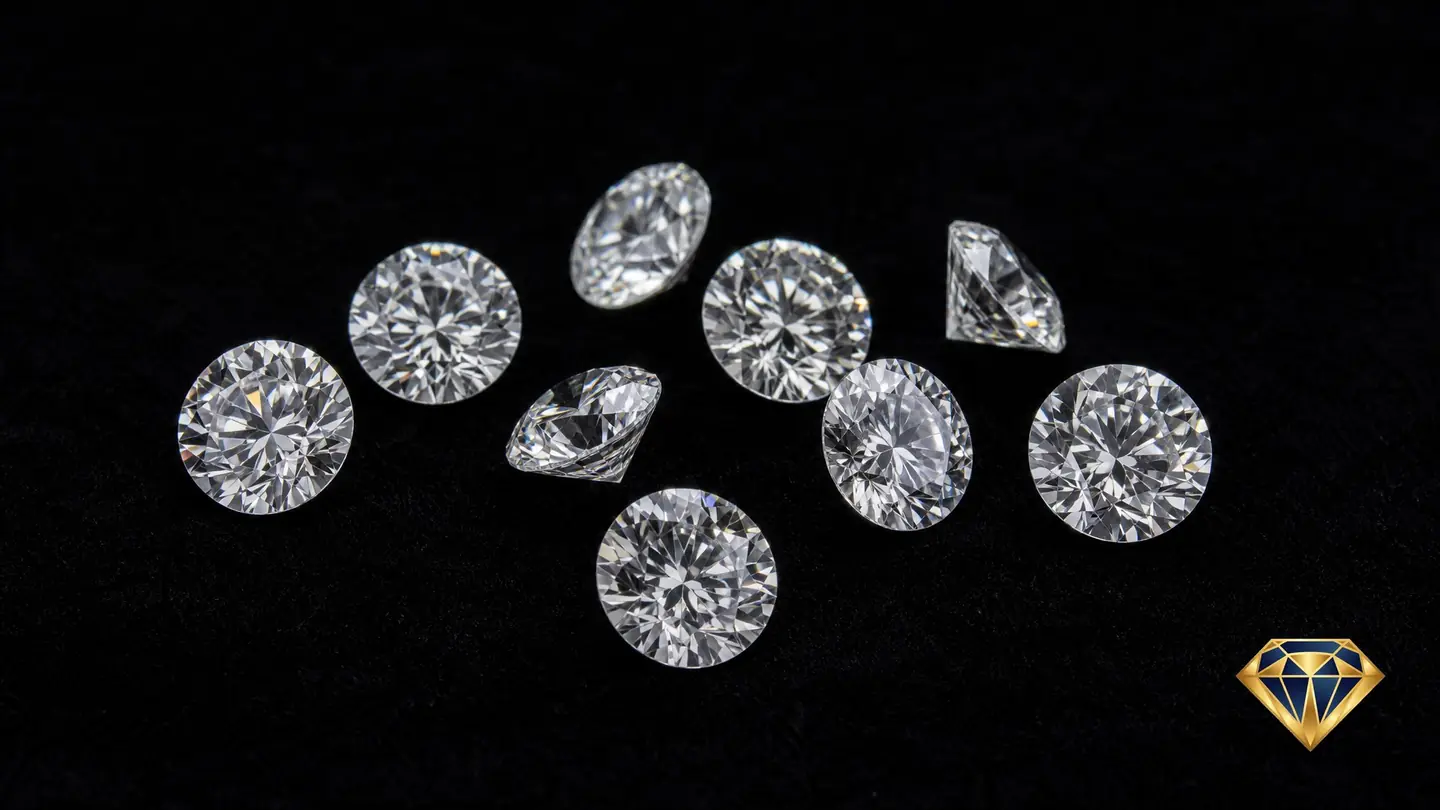
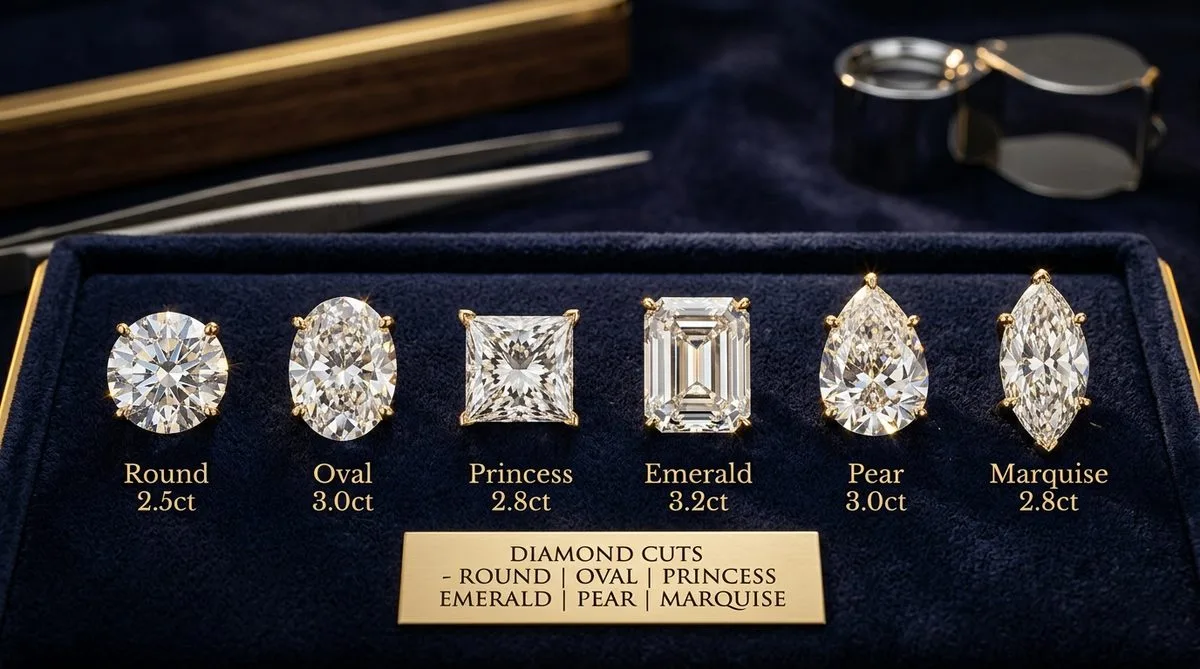
From the classic round brilliant to the fashionable oval and the elegant emerald cut — your choice of diamond shape affects how the stone looks, how much it sparkles, and how it suits your finger. Here's everything you need to know.
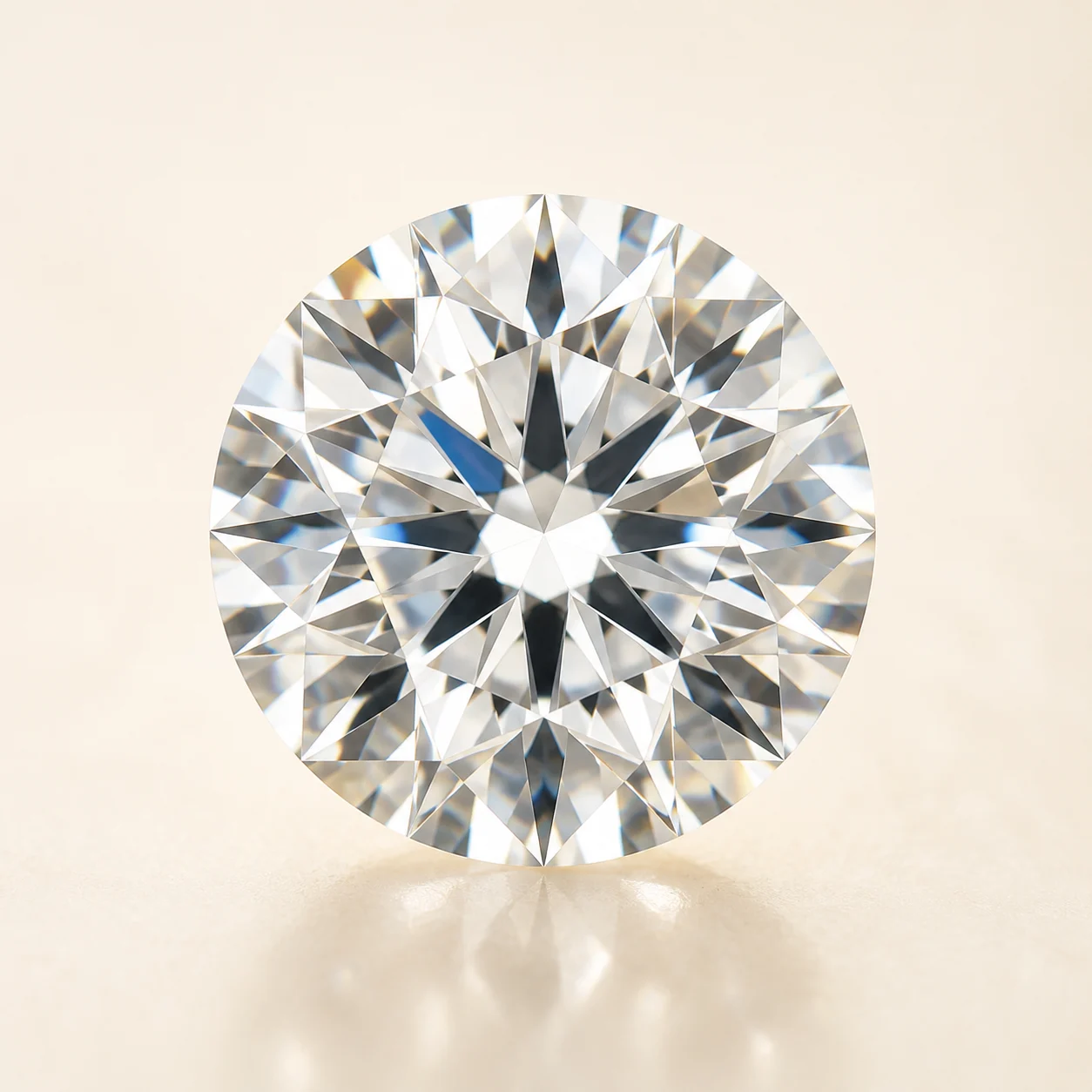
Most popular globally and in South Africa. 58 precisely angled facets, engineered for maximum light return. The round brilliant delivers more fire and brilliance than any other shape. It works in every setting and never looks dated. The downside: it's the most expensive per carat because the cutting process wastes more of the rough diamond.
Best for: Solitaires, halos, any style. Best cut: Excellent (GIA) or Ideal.
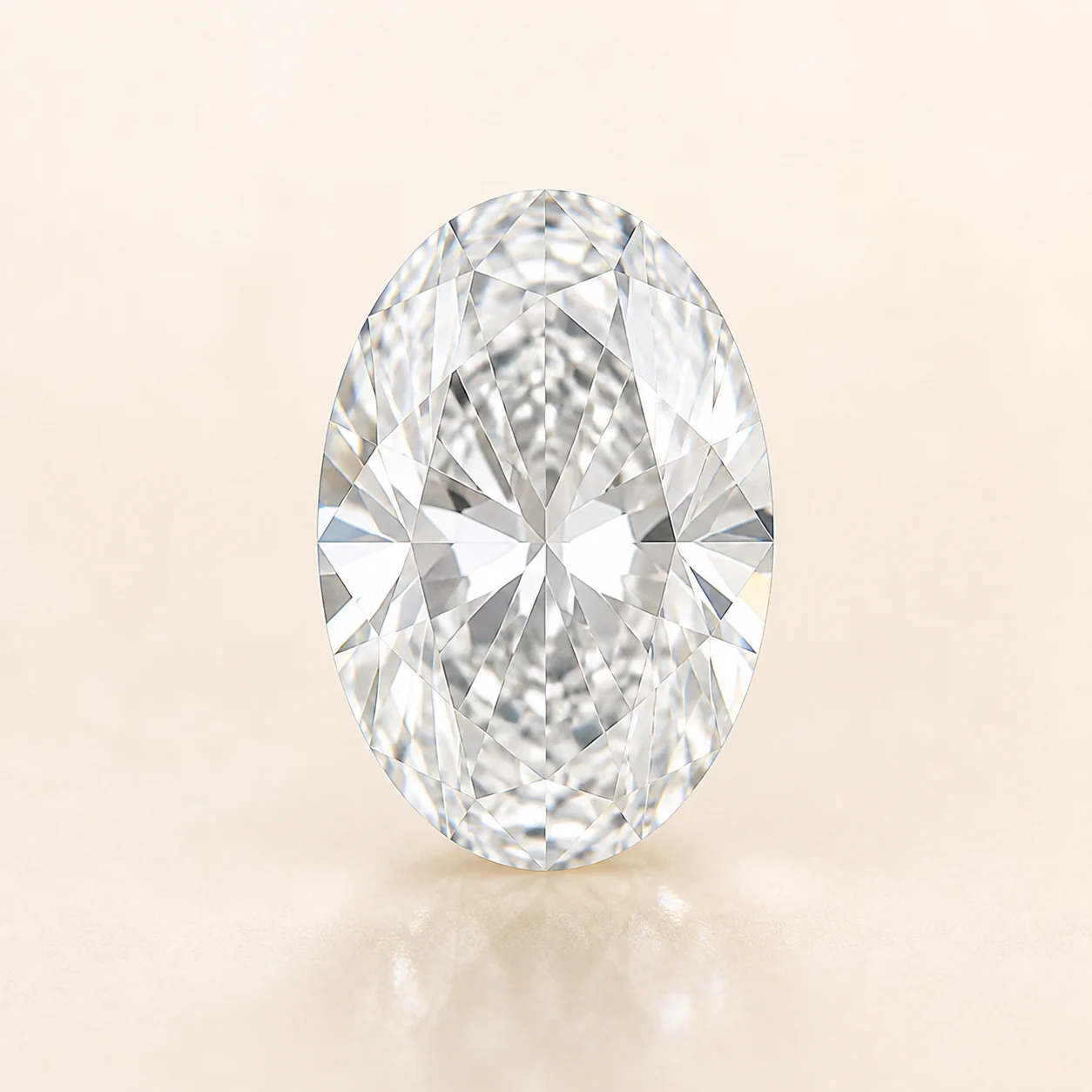
The fastest-growing shape in South Africa. An oval diamond elongates the finger and appears larger than a round brilliant of the same carat weight. The brilliant-cut facets provide nearly as much sparkle as a round. Watch for the "bow-tie effect" — a dark shadow in the centre of some ovals. A well-cut oval should have a minimal bow-tie.
Best for: Solitaires, three stone rings (with pear sides), halo settings.
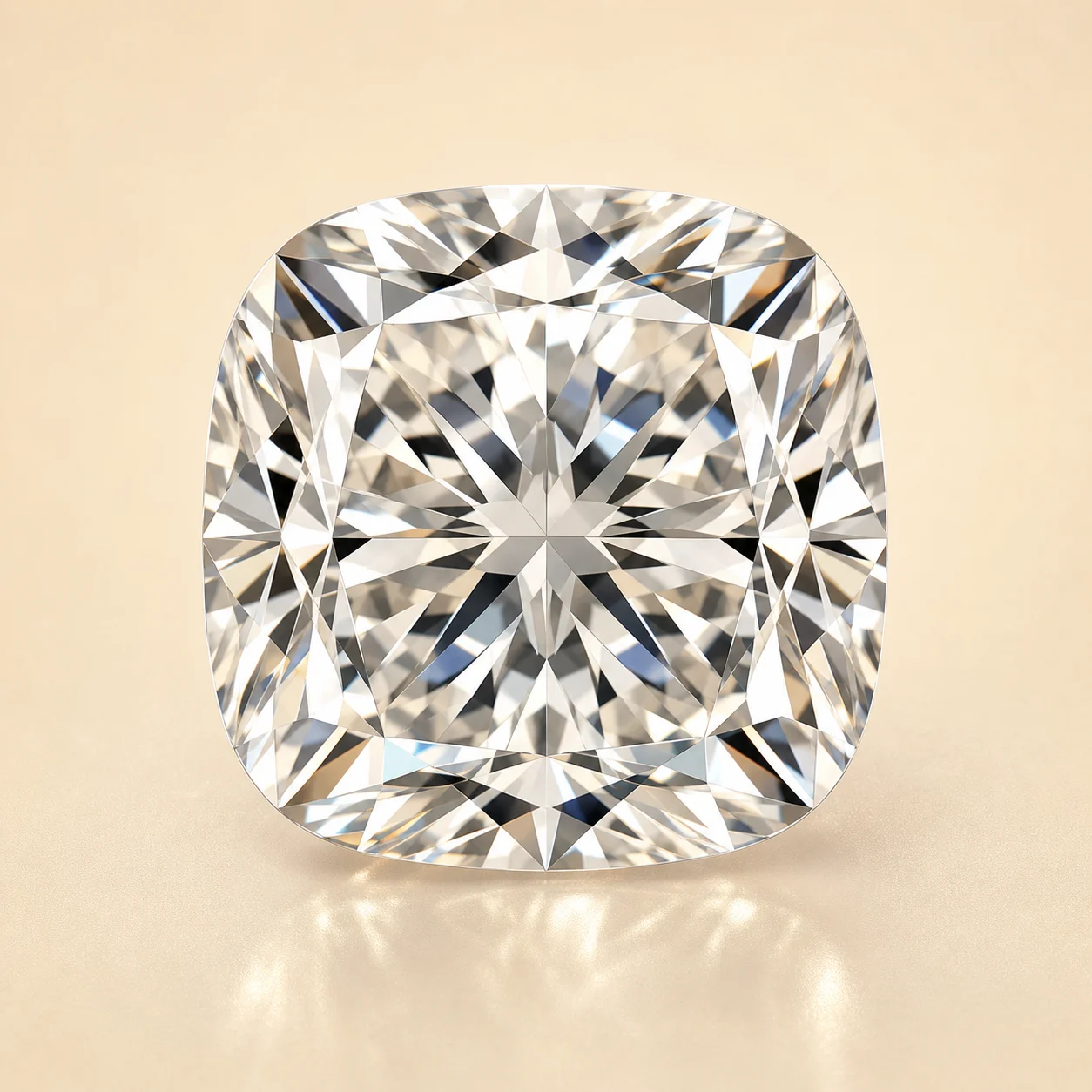
Soft corners, exceptional depth. The cushion cut has a rounded square or rectangle outline with brilliant facets. It was the dominant shape in the 19th century and has enjoyed a significant revival. Modern cushion cuts offer impressive sparkle, though slightly less than a round. They look beautiful in yellow gold — a classic combination.
Best for: Solitaires, halos, three stone rings.
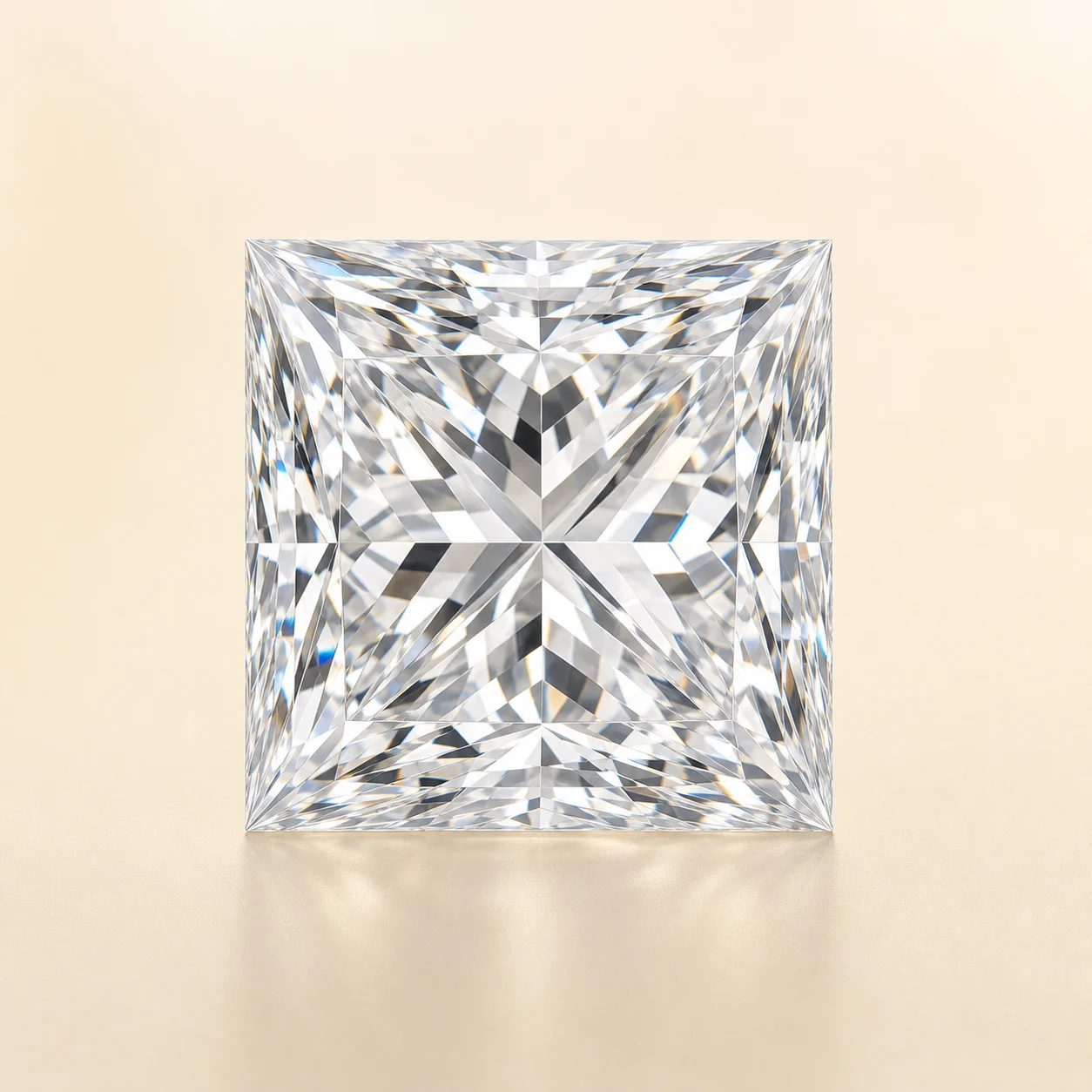
The sharp-cornered square brilliant. The princess cut is a square diamond with pointed corners and brilliant-style facets, making it the second-sparkliest shape after round. It's modern, geometric, and versatile. Note: the pointed corners need protective prong settings to prevent chipping.
Best for: Solitaires, channel-set bands, three stone rings.
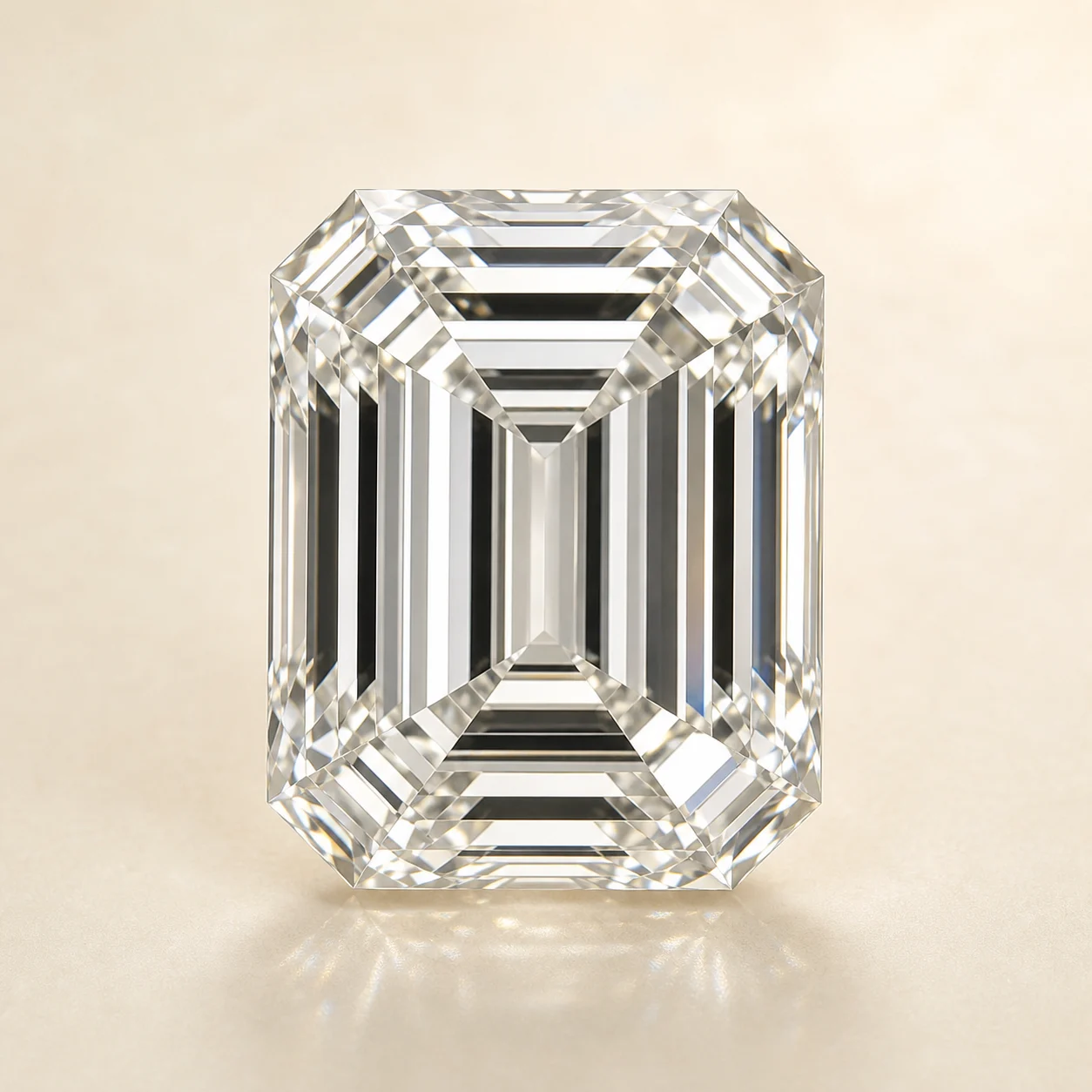
Rectangular with clipped corners — elegant and understated. The emerald cut has long, parallel facets arranged in tiers, creating a glassy, mirror-like optical effect rather than brilliant sparkle. Because the emerald cut's large, open table shows inclusions more readily, clarity is especially important. Choose VS2 or better.
Best for: Solitaires, east-west settings, statement pieces.
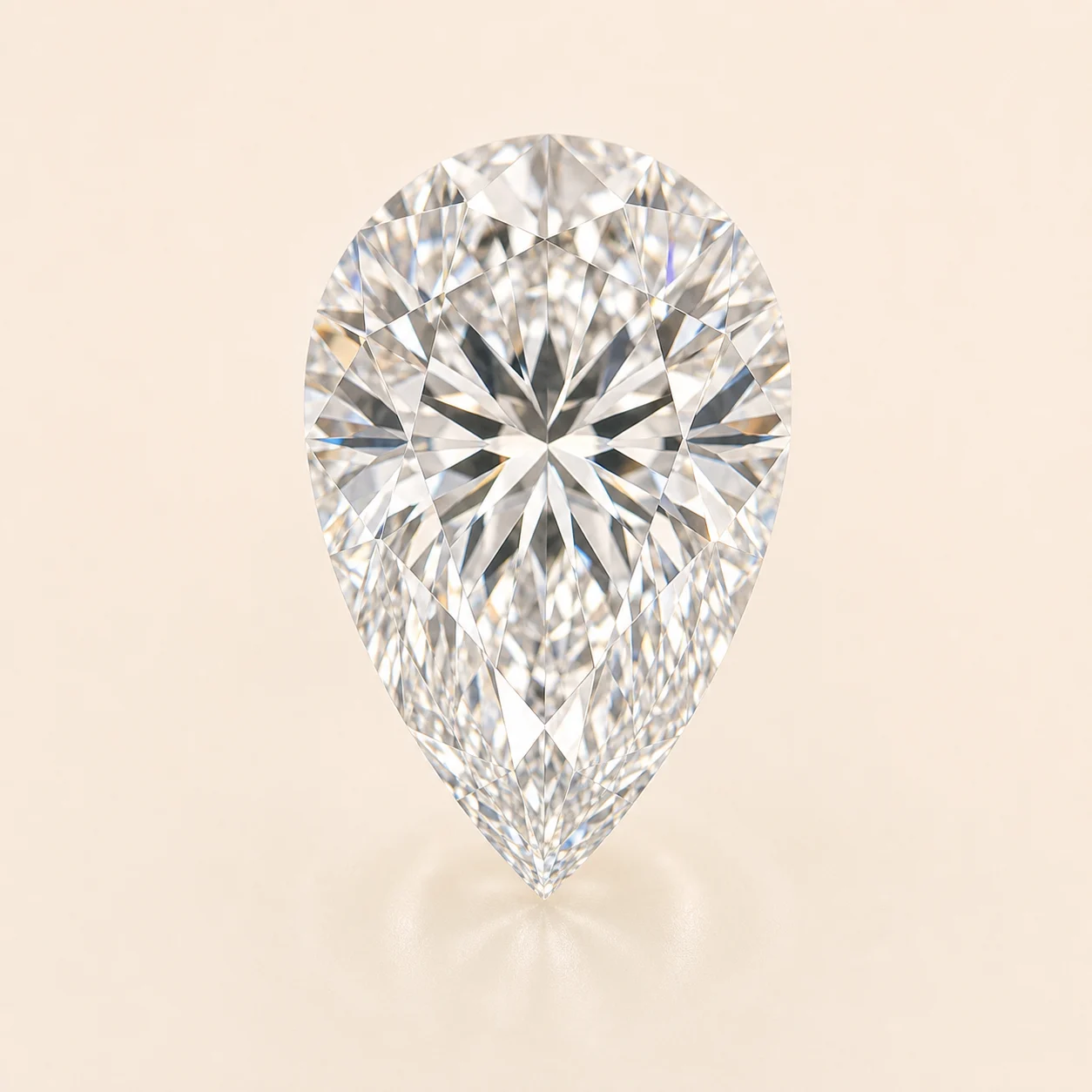
Distinctive and elegant — the teardrop. The pear shape combines the round and marquise — it's a teardrop outline with brilliant facets. Worn with the point toward the fingertip, it elongates the finger. Pear cuts work beautifully as centre stones in solitaires, and as side stones in three stone rings paired with an oval centre.
Best for: Solitaires, pendant necklaces, three stone side stones.
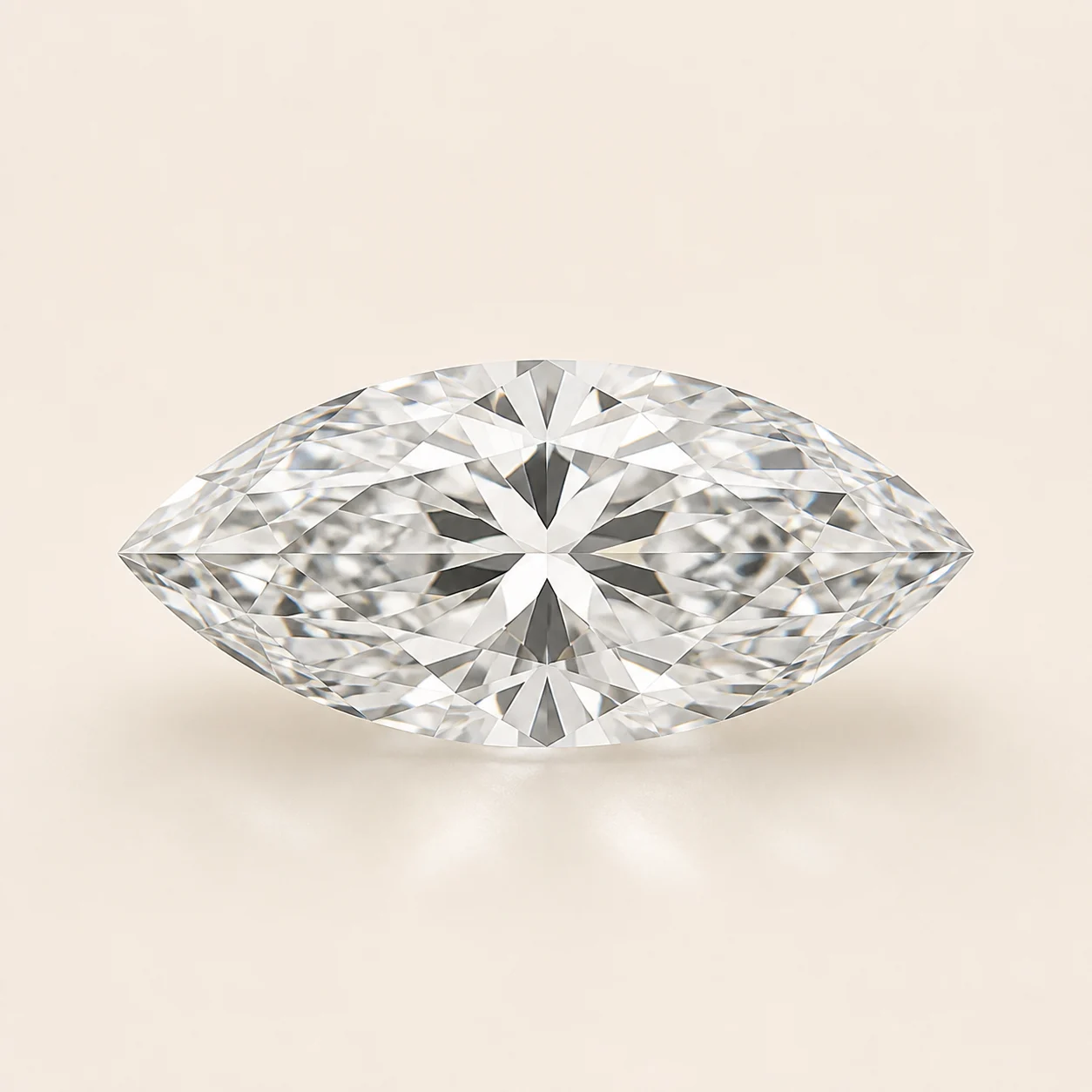
The longest silhouette — dramatic on the finger. The marquise is an elongated ellipse with pointed ends. It creates the most dramatic elongation of any shape, making fingers look slender and the stone look very large for its carat weight. The bow-tie effect (a dark centre shadow) should be evaluated carefully when choosing a marquise.
Best for: Solitaires for those who want a bold, elongating effect.
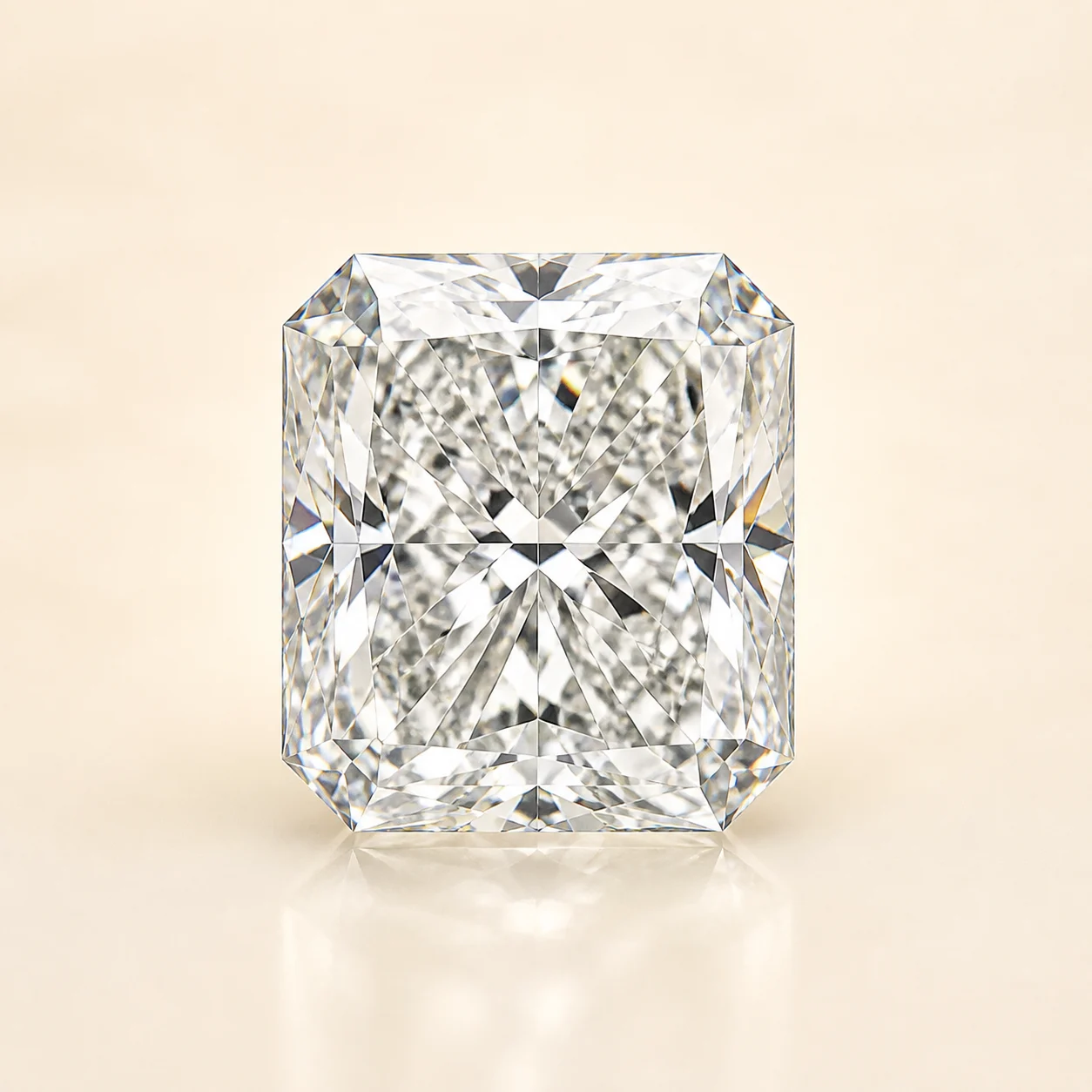
The sparkly rectangle with clipped corners. The radiant cut is a rectangular diamond with clipped corners — like an emerald cut outline, but with brilliant facets underneath. The result is the sparkle of a round brilliant in a rectangular shape. It's an excellent choice for those who want rectangular elegance without sacrificing fire.
Best for: Solitaires, three stone rings, halo settings.
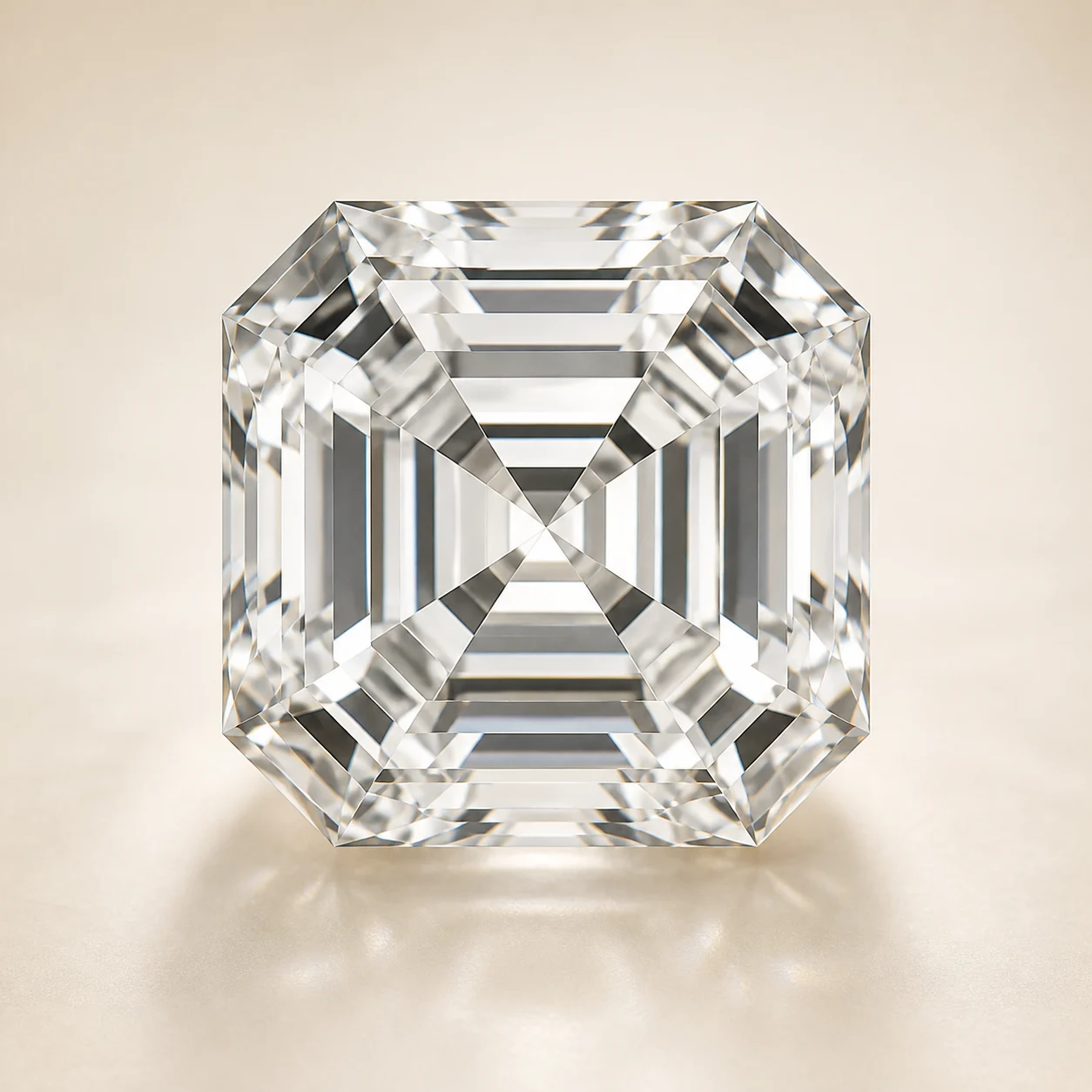
Square with cropped corners — vintage glamour. The Asscher cut is a square version of the emerald cut, with a smaller table and higher crown that creates a more pronounced "windmill" optical effect when viewed from above. It's an Art Deco inspired shape with considerable character. Like the emerald cut, high clarity is important.
Best for: Vintage-inspired solitaires, east-west settings.
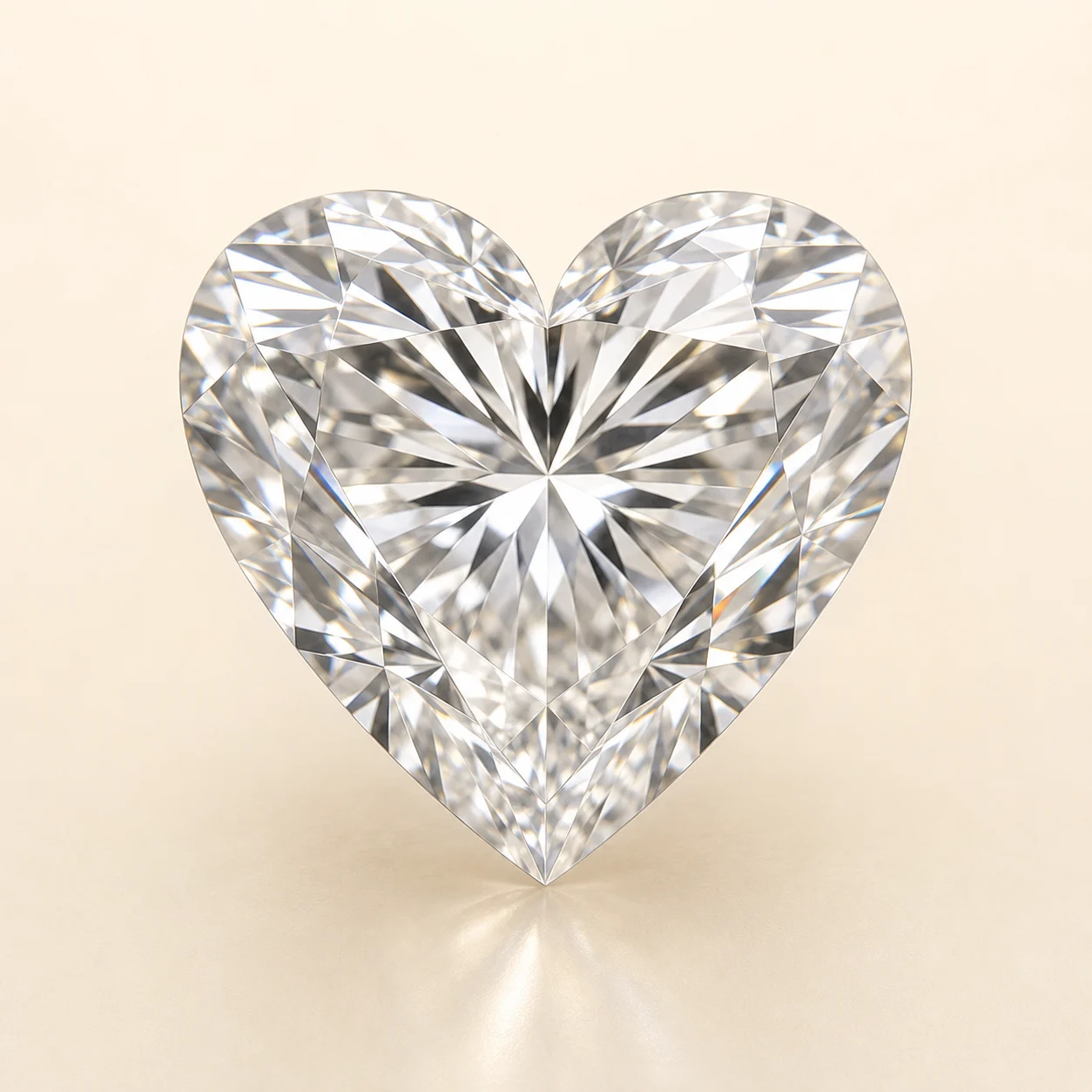
The romantic symbol — requires masterful cutting. The heart shape is a symmetrical heart outline with brilliant-cut facets. It demands exceptional cutting skill — even slight asymmetry is immediately visible to the naked eye. A well-cut heart will flash with brilliant sparkle across its lobes. It's the most expressive of all diamond shapes.
Best for: Sentimental gifts, pendants, and unique engagement rings that carry personal meaning.
| Shape | Sparkle | Apparent Size | Clarity Sensitivity | Best Setting |
|---|---|---|---|---|
| Round Brilliant | ★★★★★ | Medium | Low | Any |
| Oval | ★★★★☆ | Large | Low–Medium | Solitaire, Halo, Three Stone |
| Cushion | ★★★★☆ | Medium | Low | Solitaire, Halo |
| Princess | ★★★★☆ | Medium | Low | Solitaire, Channel |
| Emerald | ★★☆☆☆ | Medium–Large | High | Solitaire |
| Pear | ★★★★☆ | Large | Low–Medium | Solitaire, Three Stone |
| Marquise | ★★★☆☆ | Very Large | Medium | Solitaire |
| Radiant | ★★★★☆ | Medium–Large | Low | Solitaire, Halo |
| Asscher | ★★☆☆☆ | Medium | High | Solitaire |
| Heart | ★★★★☆ | Medium | Medium | Solitaire, Pendant |
Once you understand the different cuts, the next step is to choose a diamond shape for your engagement ring and design the setting around that stone.
The round brilliant remains the most popular diamond shape, accounting for roughly 60% of engagement ring sales. The oval cut has grown significantly since 2022 and is now the second most requested shape at Diagem.
Oval, marquise, and pear shapes typically appear largest for their carat weight because of their elongated form. A 1ct oval can look 10–15% larger than a 1ct round brilliant. Lab-grown diamonds in these fancy shapes offer exceptional apparent size at a fraction of the cost.
Shape refers to the overall outline (round, oval, cushion, etc.). Cut refers to the quality of the faceting — how precisely the stone is cut to interact with light. A round brilliant can have an Excellent, Very Good, or Good cut grade. Cut quality affects sparkle significantly more than most buyers expect.
The round brilliant cut is engineered for maximum light return and produces the most sparkle of any shape. The princess cut is second. Emerald and Asscher cuts produce a different effect — a hall-of-mirrors step-cut pattern — that is elegant but less fiery than brilliant cuts.
Neither is objectively better — it depends on personal preference. Round brilliants maximise sparkle and maintain higher resale value. Oval cuts appear larger, elongate the finger, and have a fashion-forward feel. Both are available from Diagem in natural and lab-grown options.
Recent public Google reviews for Diagem Diamonds. These reviews do not claim to be about this specific page unless the reviewer says so.
“Experience was great. Excellent service. Highly recommended.”
“Great place and great people very helpful and everything is top Quality”
“David is a very brilliant man- all in one. No middle man. #Diagem#Extremely satisfied.”
Reviews sourced from Diagem Diamonds’ verified Google Business Profile. View Diagem reviews on Google Leave a Google review
Tell David your budget and style preferences and he'll present certified diamond options in your preferred shape — with no obligation.